
1. Home
  2. Guides
  3. How Long Should a Massage Be?

Choosing a length

How long should a massage be? Four lengths, and the honest difference between them.

Four lengths sit on the price list here — 30, 60, 90 and 120 minutes — and what you're choosing between is coverage, not pressure.

Half an hour gets you one region.

An hour is the whole back, shoulders and legs at a normal pace.

Ninety minutes covers the same ground more slowly, and two hours is the only length where nothing gets skipped for time.

Open
Mon — Thu 9:30 AM — 9:00 PM · Fri — Sun 9:30 AM — 9:30 PM
Address
8338 E 21st St, Suite #311, Wichita, KS 67206
Parking
Free surface parking in the plaza lot, right outside the door.
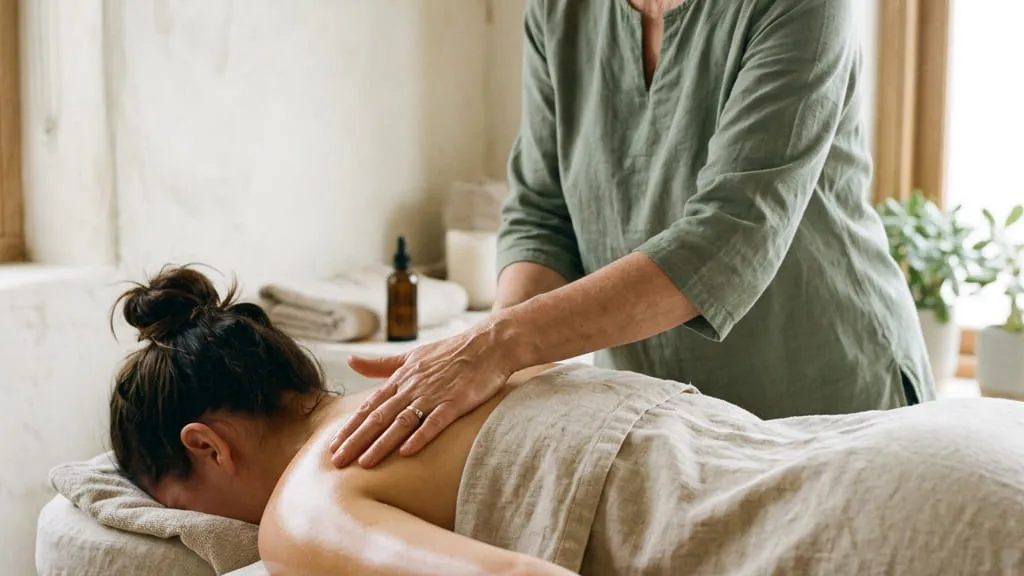
A therapist working long strokes down the length of a guest's back on a massage table

The short answer

How long a massage should be comes down to how much of you needs work: 30 minutes covers one area, 60 minutes covers the whole body at a normal pace, 90 adds unhurried depth, and 120 goes head to feet with nothing skipped.

Crystal Massage sells all four lengths, and the 60-minute hour is $70.

Four lengths — 30, 60, 90, 120 minutes; deep tissue starts at 60

Written by the Crystal Massage team in Wichita, Kansas, from what guests actually ask at the desk. This is general wellness education, not medical advice.

The short answer

How long should a massage be? Start from how much of you needs working on.

Four lengths sit on the table here — 30, 60, 90 and 120 minutes — at the same pressure, with the same hands. The clock only changes how much of you gets covered. A therapist with 30 minutes has to decide where to spend them before the first stroke lands; with 120, nobody has to decide anything.

So ask yourself the plain question: how much of you is asking for attention? One shoulder that has been complaining since Tuesday is a half hour. A whole back stiffened by a winter at a desk is an hour. Want the legs and feet done properly as well? Now you're at 90.

Most first visits land on the hour, and the menu says as much against that line. It's the default, not a compromise: a full pass with nothing rushed, and short enough that if you turn out not to enjoy being worked on, you haven't bought two hours of it.

  • 30 minutes — one region, properly. Back, neck and shoulders, usually.
  • 60 minutes — a full pass over the body at a normal pace. The default.
  • 90 minutes — the same ground, slower, with legs and feet given a real share.
  • 120 minutes — head to feet, plus time to go back to whatever wanted more.
  • Deep tissue — 60, 90 or 120 only. That column has no half-hour row.
The half hour

Thirty minutes is one conversation, not half a massage.

Most people picture the half hour as an hour cut down the middle. It doesn't work that way. Both ends of an appointment take about the same time whatever you booked — undressing, settling under the sheet, then sitting up and getting dressed again. Take those minutes off two hours and you've lost a rounding error. Take them off thirty and you can feel it.

So a 30 is a targeted session, and a good one. The menu calls it enough for the back, neck and shoulders, or for one area that has been complaining. Ask for full body inside it and you get a thin pass over everything and a proper job on nothing.

None of that tells you what a longer session does inside the body. The NCCIH overview of massage therapy puts it plainly: massage may help with relaxation and everyday muscle tension, the research behind even that is thinner than spa copy usually admits, and none of it hangs on the clock. All the clock decides is coverage.

Why a half hour is not half a massage

Two thirty-minute sessions don't add up to one hour. You pay the arriving-and-settling overhead twice, and you get two short runs of work in place of one long one. The foot column does the same thing — an hour of foot work costs less than two half hours, and both lines sit on the menu.

What a half hour genuinely covers

Back, neck and shoulders, mostly — that block is where desk tension collects and it's compact enough to reach properly. Feet are the other good use of the time, in the reclining chair. A full pass won't fit: arms, hands, legs and glutes can't join a proper back inside 30 minutes.

A booked half hour is not half of a booked hour, because both ends of a session cost the same.

Coverage by length

What each length can realistically reach.

For a therapist, the four lengths are four different problems. Thirty minutes is triage: pick a region, work it, stop. An hour is a question of pace, because everything fits so long as nothing lingers. The extra half hour at 90 goes straight onto whatever the hour had to hurry. Two hours has no problem to solve at all.

Two things before the table. One sore spot can swallow time out of all proportion, so a 90 spent almost entirely on a locked shoulder is a perfectly good use of it — just say so at the start. Deep work shifts the maths too, since slower hands cover less ground a minute. Which is why the deep tissue column starts at 60.

The table below is about coverage — what fits inside the time, not what it will do for you. No length can promise you an outcome.

What each length reaches — coverage, not cost
LengthWhat it usually coversWhat gets left out
30 minutes One region worked properly — most often back, neck and shoulders Arms, hands, legs, glutes and feet
60 minutes A full pass over the body at a normal pace, face down then face up Second passes, and anything wanting ten minutes of its own
90 minutes The same full pass, slower, with the legs and feet given real time Little — mostly a third visit to a stubborn area
120 minutes Head to feet with nothing skipped, plus time to return to what needed it Nothing the menu offers at any shorter length
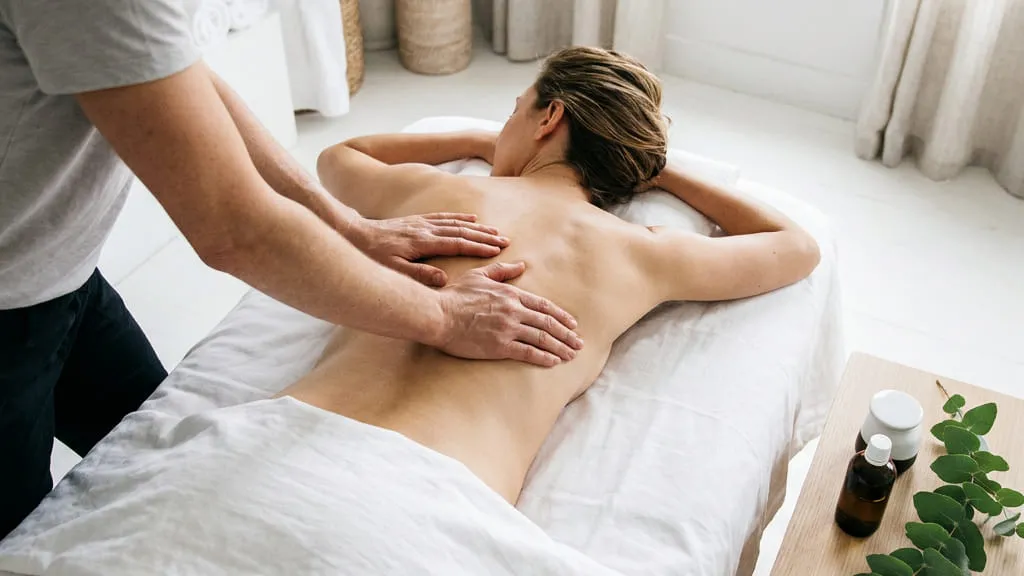
A guest face down under a sheet while a therapist works slowly across the lower back with flat hands
Ninety minutes covers the same ground as the hour, worked more slowly, with your legs and feet given real time instead of whatever is left at the end.

Sixty or ninety

The hour is the default, and the extra half hour buys patience.

Sixty is where most people start, and there's nothing wrong with staying there for good. It fits either side of a working day and covers a whole body without asking for your evening. The case for 90 is narrower than a menu makes it look.

Massage doesn't come with a dose. the AMTA position statement on massage and well-being describes physical and mental well-being and puts no number of minutes on it. So length is not a clinical decision — it's how much of your day you're willing to hand over. If you're weighing the long one, the 90-minute page goes through it in detail.

When 60 is the right call

A first visit, almost always. You find out what an hour of this feels like before you commit to more. If one complaint dominates and the rest of you is fine, the hour reaches it with room to spare — and an unhurried 60 beats a 90 you spend watching the clock.

When a 90-minute massage earns the extra half hour

Three situations, and you'll know if you're in one. The problem is general rather than local, so a full pass at 60 leaves nothing spare. You want firm or deep work, and slower hands cover less ground. Or it's your feet, which an hour tends to reach only in its closing minutes.

The long one

Two hours is the only length where nothing gets skipped for time.

The 120 is the longest line on this menu and the one people read wrong. It looks like indulgence — twice as much of a good thing. In practice it's the one length where nobody has to edit: at every shorter one, somebody is deciding what not to reach.

You feel that from the table. There's no point in the middle where the pace quietly picks up because the clock is showing. Your feet, usually the first casualty of an hour, get their turn. Two hours is also the top of the deep tissue column.

A 30 is $50 and a 90 is $100. So the ninety costs what two separate half hours cost, and it hands you an extra half hour of work in one unbroken run. The rest of the numbers live on the price page.

  • Anyone who has had a 90 and wanted more — the only step up left.
  • Bodies where everything is tight — a general problem needs general time.
  • Firm work plus full coverage — slower hands need more minutes for the same ground.
  • Anyone treating it as the evening — two hours reshapes the day around it.

The evidence

No study will tell you how long a massage should be.

There is no clinical answer to this one, and you should hear that before you hear a menu. The NCCIH research digest on massage therapy runs through what has been studied and how confidently, and it recommends no session length at all. Nor does the consumer overview beside it.

Neither NCCIH page compares one session length against another, and neither names a number of minutes. So if a studio tells you 90 minutes is clinically better than 60, they've gone past anything published. The NCCIH overview of mind and body practices sounds the same caution across the whole family: promising, small, short-term, low-confidence.

That doesn't make the question unimportant — it just moves it out of the clinic and back onto the table, where it was always a practical one: how much of you needs attention, and how much of the day you can give up. Massage may help with relaxation and everyday muscle tension. It is not a substitute for medical care.

Making the call

Pick the length first, then the technique.

Length changes a session more than anything else, and it's the thing most people decide last, on the phone, with somebody waiting. Do it the other way round. Work out how much of you needs attention and how much of the afternoon you can give up; technique is a conversation for once you're face down.

Two words on the window can confuse a booking. Swedish is up there and in the studio's own welcome note, but it's not a separate line on the price list — you ask for it when you book your hour. Foot reflexology works the same way: the line you book is called Foot Massage. Deep tissue is the real exception, with its own column and lengths from 60 minutes, and the pressure comparison takes it apart.

Crystal Massage is in Wichita, Kansas, open seven days, and the later you start the more the length matters — the hours page works out which ones still fit an evening. There's no online booking here, so call (316) 246-3999 to hold a 90 or a 120, and lead with the length. For two guests it's 60 or 90, and the foot-and-body line puts two kinds of session into one appointment.

A first visit raises questions that have nothing to do with duration, and what happens in the room covers those. Once you've found a length that works, the next thing to settle is spacing: how often to come back. And if you're still choosing a studio, start with the citywide page.

At a glance

The numbers.

The four lengths
30, 60, 90 and 120 minutes of body massage
What most first visits book
60 minutes — the menu's own note calls it the length most first visits book
The shortest
30 minutes, enough for one region, not a full pass
Where deep tissue starts
60 minutes — that column carries no 30-minute row
The longest single session
120 minutes, head to feet, nothing skipped for time
Two kinds inside one booking
30 minutes of foot work, then 30 or 60 on the table
Two guests
60 or 90 minutes, two therapists, one room
Picking a length
Call (316) 246-3999 — there's no online booking to click through

Who books it

Best for.

  • Anyone hovering between the hour and the ninety who wants the difference put as coverage, not as an upsell.
  • First-timers, who almost always want the 60 — a full pass over the body, and short enough to find out whether you like being worked on.
  • People with one region that hurts and nothing else going on: 30 minutes reaches the back, neck and shoulders properly.
  • Guests asking for firm or deep work, where the ladder starts at 60 minutes because slower hands cover less ground per minute.
  • Anyone trying to fit two kinds of session into one arrival — half an hour of foot work in the chair, then 30 or 60 on the table.

Worth knowing before you book

Say the length first when you call, then describe the problem. A therapist can plan a 60 around one locked shoulder if they know at the start; nobody can win those minutes back once the session is running.

Whether your booked time runs from the door or from the first stroke isn't published anywhere, and it matters most on the shortest line. Ask at the desk on (316) 246-3999 when you call.

Pressure, coverage and where the remaining time goes are all adjustable while the session is running. Speaking up halfway through is information, not a complaint.

Every price at every length is on the price page, laid out as one table.

Evidence-aware

Sources, and what they do not say.

Massage may help with relaxation and everyday muscle tension, and none of it replaces medical care. The references below are the plain-language health guidance this guide leans on. Where the evidence is thin or a review found nothing, they say so — and so does this page, in the same paragraph as the finding rather than in a footnote.

FAQ

Still wondering.

How long should a massage be for a first visit?

+

Sixty minutes. It is the length most first visits book, and it covers a full pass over the back, neck, shoulders, arms and legs at a normal pace. A half hour works if one area is the whole problem, but treat it as a targeted session, not a shortened full-body one. Ninety and 120 minutes are both on the menu for when an hour turns out not to be enough.

Is a 30-minute massage worth it?

+

Yes, for one region. Thirty minutes is enough for the back, neck and shoulders, or for a single area that has been complaining, and it's the cheapest way onto the table. What it is not is half an hour's worth of an hour: the minutes you spend settling at the start and getting up at the end are much the same whatever you booked, so they take a bigger bite out of a short session. Ask what your booked time is measured from when you call.

Is a 90-minute massage better than a 60-minute one?

+

Better is the wrong word, because no published research recommends a session length. The NCCIH pages on massage therapy describe what massage has been studied for and how confident the evidence is, and neither one names a number of minutes. What the extra half hour buys you is coverage: your legs and feet get real time instead of the closing minutes, and the therapist can go back to anything that wanted more. If one area is the whole problem, an hour reaches it.

Does deep tissue massage come in a 30-minute length?

+

No. Deep tissue is sold at 60, 90 and 120 minutes, and the hour is the shortest line in that column. The menu doesn't say why. The practical reading is that slower, firmer work covers less ground in the same minutes, so a half hour of it would reach very little. If firm pressure over one region is what you want in thirty minutes, ask for a 30-minute body massage and say so on the phone before anything is held.

Do I need an appointment?

+

Calling ahead is the reliable way to get the time you want, and it is the only way to hold the couples room, which is one room with two tables. There is no online booking — (316) 246-3999 reaches the front desk directly. Crystal Massage is open seven days: 9:30 AM to 9 PM Monday through Thursday, and to 9:30 PM Friday, Saturday and Sunday.

Is massage a replacement for medical care?

+

No. Massage may help with relaxation and everyday muscle tension, but it neither diagnoses nor treats a medical condition. If you have a health condition, a recent injury, severe or persistent pain, or you are pregnant, check with a medical professional first and tell your therapist before the session starts.

Where do I park?

+

Crystal Massage is in The Shops at Tallgrass at 8338 E 21st St, Suite #311, Wichita, KS 67206, on the north side of 21st Street just east of Rock Road. Parking is the plaza's own surface lot, free, straight in off 21st, and Suite 311 opens onto it — no garage, no deck and nothing to validate.

Read enough? The table is on 21st Street, just east of Rock.

Open seven days — Mon — Thu 9:30 AM — 9:00 PM · Fri — Sun 9:30 AM — 9:30 PM. Say the length you want when you call and the desk will tell you what is free.

Crystal Massage · 8338 E 21st St, Suite #311, Wichita, KS 67206 · Open seven days · (316) 246-3999

Crystal Massage, Wichita, Kansas Page last updated Prices, hours and distances on this page are rebuilt from source on every deploy.